معرفی و تاریخچه سوربیتول

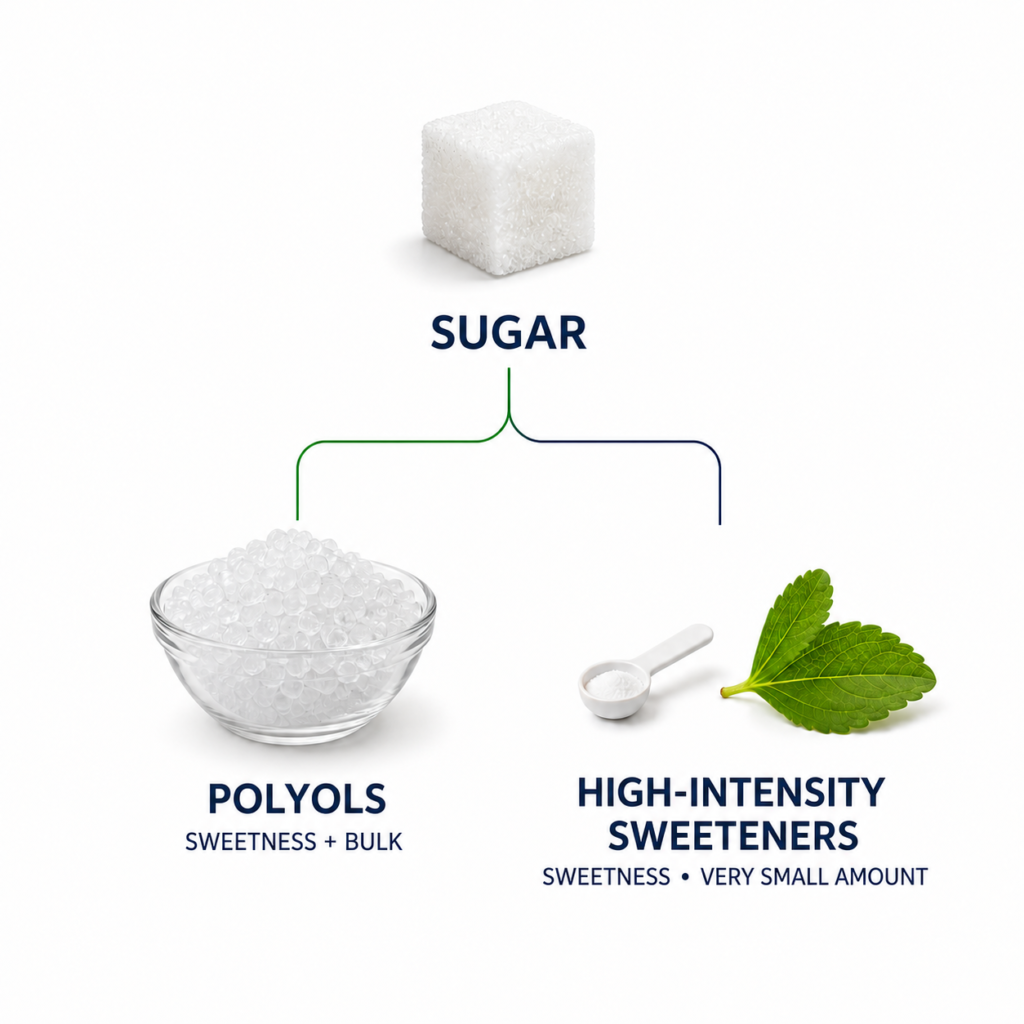
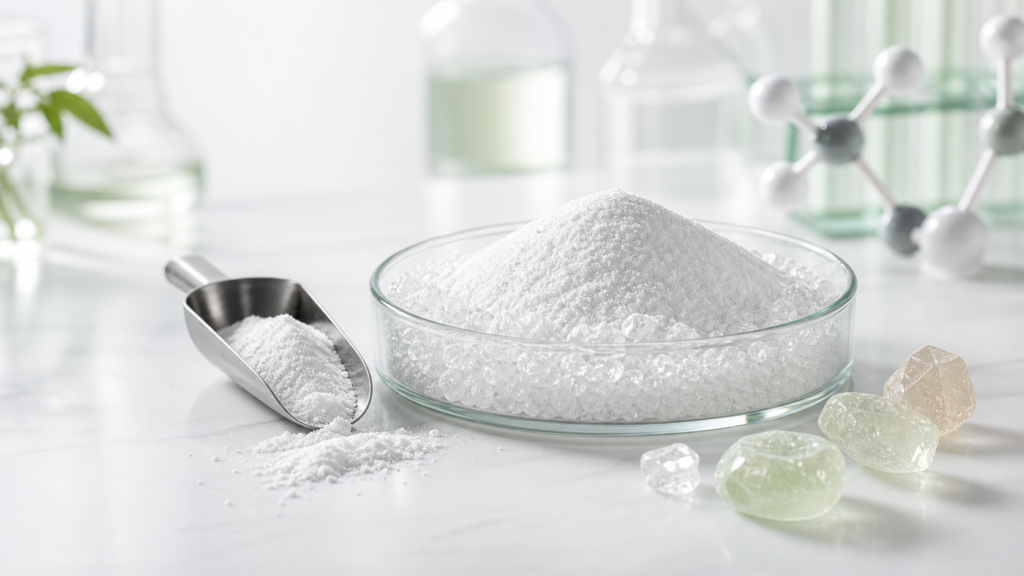
Sorbitol is one of the most important polyols (sugar alcohols), used as a low-calorie sweetener in the food, pharmaceutical, and cosmetic industries. This substance occurs naturally in some fruits such as apples, pears, peaches, plums, and apricots. Sorbitol has less sweetness compared to sugar (sucrose), but due to its specific properties, it is considered a valuable alternative to sugar.

History of Sorbitol

Sorbitol was first extracted in 1872 by chemists from the fruit of the rowan tree (Sorbus aucuparia), and was therefore named “sorbitol.” With advances in chemistry and biotechnology, the industrial production of sorbitol from glucose via hydrogenation became possible. This discovery allowed sorbitol to quickly find its place in the food and pharmaceutical industries and become known as one of the most widely used polyols in the world.

Properties and Characteristics of Sorbitol

  • Sweetness approximately 60% that of sugar

  • Lower calorie content compared to sucrose

  • Low glycemic index, suitable for diabetic patients

  • Moisture retention and prevention of drying out in food products

  • Non-cariogenic (does not promote tooth decay) and used in oral hygiene products

Applications of Sorbitol

  • Food industry: Used in the production of sugar-free gum, diet chocolates, biscuits, beverages, and low-calorie dairy products.

  • Pharmaceutical industry: As a sweetener in syrups, a mild laxative, and a drug carrier.

  • Cosmetic and personal care industry: In the production of toothpaste, mouthwash, creams, and moisturizing lotions.

  • Industrial applications: In the production of vitamin C (ascorbic acid) and certain resins.

Global Position of Sorbitol

Today, sorbitol is one of the most widely used polyols in various industries. Countries such as China, India, and the United States are the largest producers. In Iran, knowledge-based companies leading in the production of sorbitol and other polyols have been able to meet the needs of domestic industries and even export part of their production to international markets.
Introduction and History of Sorbitol

معرفی و تاریخچه سوربیتول

Sorbitol is one of the most important polyols (sugar alcohols), used as a low-calorie sweetener in the food, pharmaceutical, and cosmetic industries. This substance occurs naturally in some fruits such as apples, pears, peaches, plums, and apricots. Sorbitol has less sweetness compared to sugar (sucrose), but due to its specific properties, it is considered a valuable alternative to sugar.

History of Sorbitol

Sorbitol was first extracted in 1872 by chemists from the fruit of the rowan tree (Sorbus aucuparia), and was therefore named “sorbitol.” With advances in chemistry and biotechnology, the industrial production of sorbitol from glucose via hydrogenation became possible. This discovery allowed sorbitol to quickly find its place in the food and pharmaceutical industries and become known as one of the most widely used polyols in the world.

Properties and Characteristics of Sorbitol

  • Sweetness approximately 60% that of sugar

  • Lower calorie content compared to sucrose

  • Low glycemic index, suitable for diabetic patients

  • Moisture retention and prevention of drying out in food products

  • Non-cariogenic (does not promote tooth decay) and used in oral hygiene products

Applications of Sorbitol

  • Food industry: Used in the production of sugar-free gum, diet chocolates, biscuits, beverages, and low-calorie dairy products.

  • Pharmaceutical industry: As a sweetener in syrups, a mild laxative, and a drug carrier.

  • Cosmetic and personal care industry: In the production of toothpaste, mouthwash, creams, and moisturizing lotions.

  • Industrial applications: In the production of vitamin C (ascorbic acid) and certain resins.

Global Position of Sorbitol

Today, sorbitol is one of the most widely used polyols in various industries. Countries such as China, India, and the United States are the largest producers. In Iran, knowledge-based companies leading in the production of sorbitol and other polyols have been able to meet the needs of domestic industries and even export part of their production to international markets.
keyboard_arrow_up