Introduction to Sweeteners

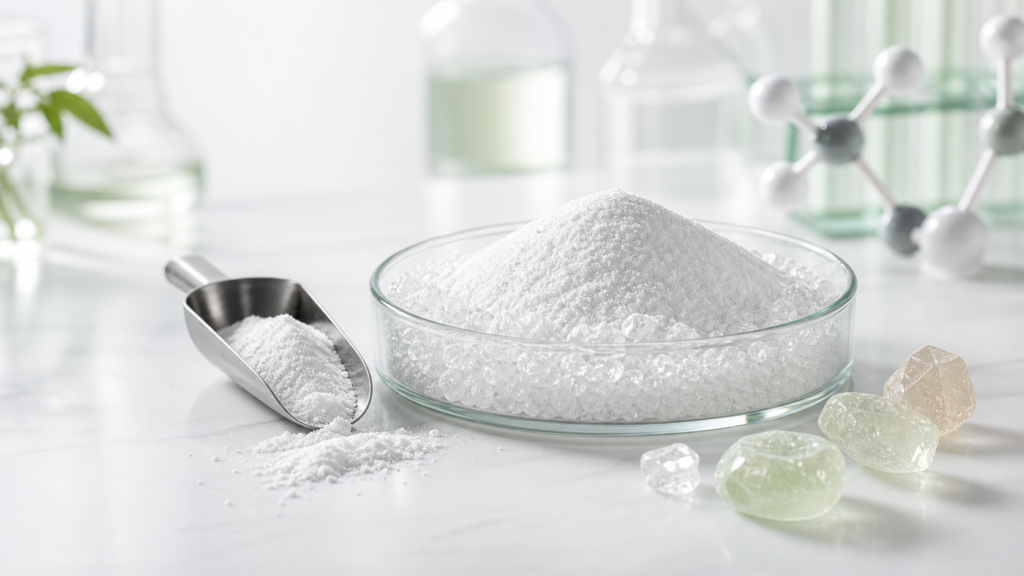
In general, sweeteners are classified into four main groups:

1 – Natural sweeteners that have a long history of use, including barley malt, brown rice syrup, date sugar, fructose, fruit syrup concentrate, honey, and maple sugar.

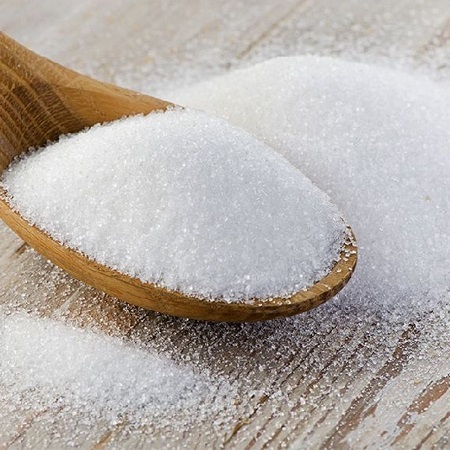
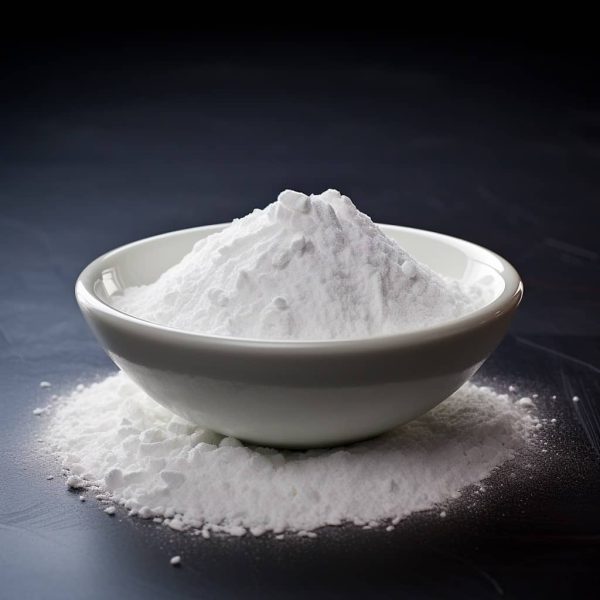
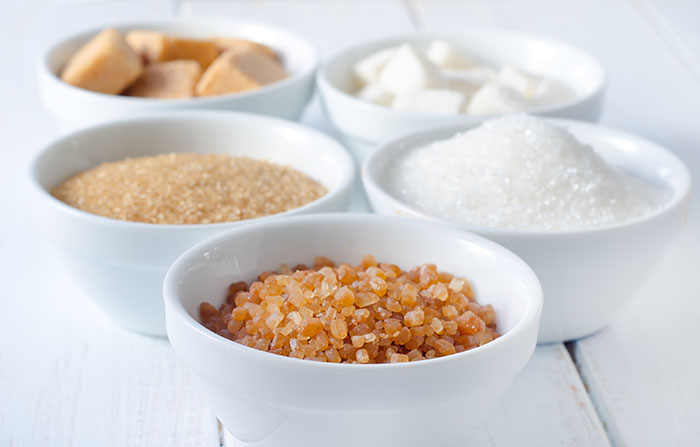
2 – Refined sweeteners, including: white sugar, raw sugar, brown sugar, confectioner’s (powdered) sugar, corn syrup, and dextrose.

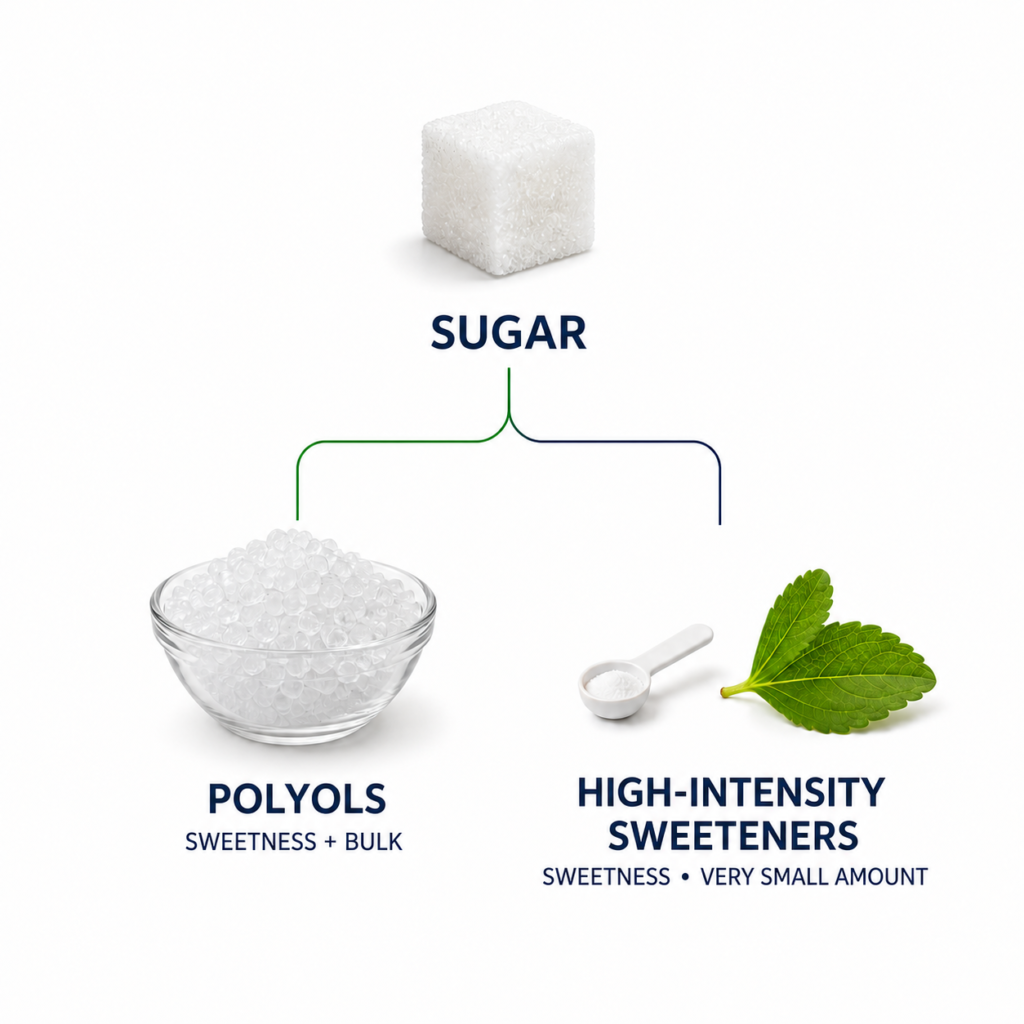
3 – Sweeteners and bulking agents, most of which belong to the sugar alcohol family, including (isomalt, isomaltulose, trehalulose, sorbitol, xylitol, etc.).

4 – Intense sweeteners, also called non-caloric and non-nutritive sweeteners, which are further divided into industrial and natural categories. The most important industrial intense sweeteners include acesulfame potassium, sucralose, aspartame, saccharin, alitame, and cyclamate.
Introduction to Sweeteners

Introduction to Sweeteners

In general, sweeteners are classified into four main groups:

1 – Natural sweeteners that have a long history of use, including barley malt, brown rice syrup, date sugar, fructose, fruit syrup concentrate, honey, and maple sugar.

2 – Refined sweeteners, including: white sugar, raw sugar, brown sugar, confectioner’s (powdered) sugar, corn syrup, and dextrose.

3 – Sweeteners and bulking agents, most of which belong to the sugar alcohol family, including (isomalt, isomaltulose, trehalulose, sorbitol, xylitol, etc.).

4 – Intense sweeteners, also called non-caloric and non-nutritive sweeteners, which are further divided into industrial and natural categories. The most important industrial intense sweeteners include acesulfame potassium, sucralose, aspartame, saccharin, alitame, and cyclamate.
keyboard_arrow_up